Showing posts with label Regenerative Agriculture. Show all posts

Saturday, December 11, 2021

Can Font (Emporda, Spain): Regenerating vineyards to take care of the planet

As part of my ongoing coverage of Regenerative Agriculture, I have reported on a number of ongoing deployments to include Tablas Creek Vineyards, Troon Vineyard, Solminer, and Familia Torres. I continue on that path with a look at the Can Font (Emporda, Spain) experience. The material covered herein was drawn from a Francesc Font presentation titled Regenerating vineyards to take care of the planet which was delivered at the recent Regenerative Viticulture Symposium.

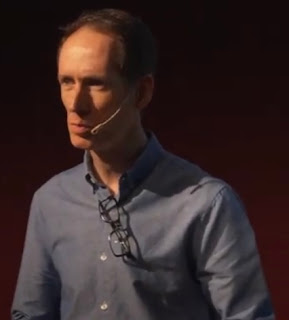
Francesc Font, Can Font Farm Manager

According to Francesc, he comes from a long line of farmers, his family having been thus employed for over 300 years. The farm has always had strong ties to winegrowing with one of his grandfathers serving as the President of a regional wine cooperative for over 40 years. 

Both Francesc and his wife are trained Agricultural Engineers and they came to the realization that their farming practices were releasing significant amounts of greenhouse gases into the atmosphere and, therefore, contributing to global climate change. They were also contributing to desertification as their tilled topsoil is washed away when it rains and blown away when it is windy. Can Font studies showed that they lost about 20 tons of soil/ha/year. If the study area is extended to Penedes as a whole, that number rises to 25,000 tons/ha/year. This amounts to a loss of 1 centimeter of soil per year; it takes nature 40 years to create 1 centimeter of soil. This was not a sustainable operational model and it led them to ask the question: What can we do?

Broadly speaking, they did three things: Investigate. Learn. Apply. They began by investigating what was being done in the world beyond the borders of the farm to address the issues they had identified. They then dug deeper, seeking to truly learn about the new approaches/technologies they were discovering. And, finally, upon their return from an investigatory trip to Australia, they decided to become regenerative farmers and winegrowers. 

While in Australia they had seen how regenerative agriculture: (i) helps to sequester carbon and, in so doing, contributes to mitigation of the climate crisis; helps bring soils and the environment back to life, which, in turn, aids biodiversity; and allows the production of healthy foods without the use of toxic chemical inputs.

Even though they had committed to regenerative, they still had a question as to whether the approach was economically viable. They only way to find out, they realized, was to implement it.

For Francesc, implementing regenerative agriculture required action on three fronts:
  1. Stop degrading the soil (cease tilling and the use of chemical inputs)
  2. Understand the soil in a way that they had not understood it previously. They had to look at: the way the minerals in the soil interact; how the roots work (how they move, how they descend, and whether they run into obstacles); soil compaction; and soil microbiology.
  3. Begin putting regenerative techniques into practice.
Today Can Font is a no-till farm which operates without chemical inputs. The regenerative practices which have been implemented to date are indicated in the table below.

Table 1. Regenerative practices implemented at Can Font.

Regenerative Practice

Tool/Technique

Description

Cover Crops

Legumes

  • One of the most important
  • Fixes Nitrogen from the air (for free)
  • Includes, vetches, clovers, etc.


Grasses

  • Feed our microbial communities (also for free)
  • Mustard is interesting because (i) its taproot helps to de-compact soils and (ii) it plays an important role in the natural sulphur cycle


Flower-bearing crops

Feed the bees and animals that prey on the main pests that affect our almond trees

Soils Management

Nourish the soils

  • Compost applications
  • Manure applications
  • Application of mineral products
  • Application of natural products
  • Application of sea water (contains all the minerals that a plant needs)


Work with soil microbiology

  • They make their own preparations using natural, non-toxic materials from the farm
  • Apply these amendments using a home-made “subsoil plough” which breaks up and aerates the soil to feed the aerobic microbes
  • Use a tank-and-pump system to apply soil amendments close to the roots

Water Management

Keyline System

Encourages the natural flow of water through the cropland

Biodiversity

Boost biodiversity

Use Franco-era bunkers to harbor bats which help in the fight against loberia botrana

Animal Management

Introduce Pigs

  • Helps with management of the cover crops by continually grazing
  • Fertilizes the almond groves

Francesc spent time explaining the importance of managing cover crops; "unmanaged or poorly managed cover crops can become a problem" At some times, they will cut the cover crop down (all the way or to vine level, depending) while at other times they will flatten the crop with a roller crimper. Using the roller crimper in the summer time, according to Francesc, allows them to spread the flattened plant cover over the soil, creating a protective layer through a mulching effect. This protective layer makes it harder for soil water to evaporate, allowing maintenance of soil humidity and providing a favorable climate for the microbial communities. This environment also prevents erosion by mitigating the force of the impact of falling rain.

Cover crops are a powerful tool but they also have some downsides:
  • Can Fron sustained more frost damage than neighbors whose vineyards were covered with glyphosate
  • There is more competition when there are more plants. The farmer must build more robust soils that are able to feed both the cash and cover crops.
Mirroring some of the work being done by Regenerative Organic Certified, Can Fron has created indicators and is measuring against them (one of their mantras is "improvement through measurement"). The results indicate:
  • The soils contain a lot more life than when we were farming conventionally. Soils now have 80% more fungi, 80% more bacteria, and 1000% more protozoans, the latter of which plays a leading role in the natural nitrogen cycle.
  • The soils are more stable
    • Water stability of soil aggregates up by 64.69%
    • Water-holding capacity up 19.97%
      • Mainly because of the organic matter they have gained over the years
  • They have reduced greenhouse gas emissions by 20%
  • They are capturing 15 tons of CO₂/ha/year
    • That is equal to the emissions of 10 cars.
These were great results; and they were happy with them. But what was the impact on the bottom line. Francesc exhibited a chart which showed a period of declining profitability during the transition but increasing profitability after regenerative was fully implemented. Regenerative says Francesc, has a cost. If you know the cost, you can plan accordingly and choose the pace of implementation. They chose to go all in (as opposed to Familia Torres which is proceeding with a phased approach).

Can Font's experience shows that regenerative agriculture can be applied in Emporda, said Francesc, and when you apply the technique, you will produce healthier foods, you will make a better living while caring for the planet, and you will feel "super happy." That's how he feels. 

Francesc closed by exhorting attendees to embark, or continue, on the path to regenerative agriculture.

©Wine -- Mise en abyme

Sunday, December 5, 2021

Regenerative Viticulture: Early steps on the road for Familia Torres

The recent Regenerative Viticulture Symposium, organized and presented by Familia Torres, was a harbinger of the still-then unformalized Regenerative Viticulture Association. The list of speakers was impressive and they covered topics ranging from holistic farming to regenerative agriculture to the soil biome and experiences with regenerative viticulture.

Miguel Torres, General Manager of Familia Torres, was the final speaker of the day. Unlike the other regenerative viticulture practitioners on the dais, his company is in the early stages of the journey. 

Miguel Torres, General Manager, Familia Torres

Familia Torres, according to Miguel, has strong roots in Penedes. The family operations are headquartered in Vilafranca del Penedes, "an area with more than 2700 years of wine history. Even the Iberians made wine here." The area is steeped in organic viticulture, with more than 39% of the DO compliant.

Miguel had two areas of focus in his talk: (i) the enterprise's carbon reduction initiative and (ii) its experimental efforts with regenerative viticulture. I focus on the latter in this post.

During the course of the carbon-reduction effort, Miguel noticed that many of their vineyards were eroded -- evidenced by the distance between the ground surface and the rootstock-scion graft point. That distance was much greater now than when the grafts were initially made. This problem is evident in many of the vineyards in Penedes and around the world. In Familia Torres' case, they lose 134 tons of topsoil for every 1-centimeter decline in soil height.

Familia Torres has historically practiced mono-crop viticulture, a cultural practice inculcated by parents, grandparents, and university teachings. This system does not, however, take the carbon cycle into account and, as a result, vineyard soils are some of the poorest around. Familia Torres have embarked on a journey to rectify this historic shortcoming.

As Miguel sees it, the only machines that exists today that can reliably sequester carbon from the air are plants. Plants sequester carbon and store it in the ground, thanks to the clay-hummus complex. Given the foregoing, Familia Torres will be focused on (i) carbon sequestration and (ii) mechanisms for recovering soil fertility; that is, regenerative viticulture. Increasing minerals, microoganisms, and organic matter are key to creating living soils that can sequester carbon. 

Learnings
Familia Torres has learned a few lessons in the early stages of its program and Miguel's recounting of those are summarized below.

People
One of the most important factors in the success of a regenerative viticulture program is the people. Miguel feels that if he had ordered the staff to adopt the program, it would have failed. Instead, he formed teams comprised of oenologists, vineyard managers, and R & D specialists. For a long time these teams took no action beyond reading, watching film, and debating. They created a chat group and talked constantly about new holistic and regenerative techniques. They even gave the program a new name -- living soils.

From that point on they began to work more and to plan. It was like planting a seed that began to grow. The group started to share ideas and to visualize the concept becoming reality.

Program Planning
Familia Torres set short- and long-term objectives for its regenerative viticulture program. The short-term objective was ambitious: 500 ha to be converted to regenerative viticulture in 5 years. The longer-term plan would be developed based on an understanding of each vineyard, the investments required, and the work schedule.

They stared on the journey with Mas La Plana (Penedes, calacreous-clay soils) and Mas de La Rosa (Priorat; metamorphic soils). These estates were chosen because of:
  • The different soil types
  • Both are high-value vineyards
  • Both produce premmium wines
  • Both are planted with old vines with established, deep reticular profiles that make it easier to manage change.
Soils
From the very beginning, they knew that the starting point had to be an understanding of the soils. They had to analyze the soil, its microbiology, and its mineral structure. When you are just starting with regenerative viticulture, you have to remember to feed the soil. Vineyards can be aided by an increase in soil organic matter. Familia Torres increased soil organic matter by using compost, animal manure, and bio-fertilizers to increase the richness of the soil.

From May/June onwards, mulching has been important in keeping soils fresh and humid thus increasing organic matter, reducing erosion, and increasing biomass in each vineyard.

Cover Crops
They always try to cover the soils 100% throughout the year. This enables carbon sequestration and increases organic matter that gradually accumulates on the ground.

They are willing to try anything as a cover crop: legumes, grasses, perennials, spontaneous, or a combination of the foregoing. The most important thing is to learn from each experiment. They currently have four cover-crop experiments ongoing:
  • CREA -- analyzing which cover crop can sequester the most carbon in the soil
  • Lleida University -- Seeking to determine which cover crop is best suited to meeting Familia Torres objectives
  • Vigo University -- Seeking to determine which cover crop has the most impact on biodiversity. 
  • Also conducting experiments to see which cover crop can absorb the most copper from the soil (copper has always been a problem for viticulture).
The most important thing, says Miguel, is to learn from each experiment. A current map of the engaged vineyards would show different plots with different objectives planted with different species.

Animals
Familia Torres does not raise animals on any of the estates involved in the regenerative tests but are working with neighboring shepherds to get sheep into the vineyards for short, intensive grazing sessions.

Machines
Doing regenerative does not mean doing away with machines. Rather, it means becoming familiar with a whole new range of machinery:
  • A machine to de-compact the soil
  • A compost spreader
  • A roller
  • A reaper
  • A seeder
  • A sprayer
  • A tiller.
Biodiversity
The regenerative viticulture program seeks to increase biodiversity by: creating wildlife corridors; building insectariums and bird boxes; planting fruit trees in the vineyards; planting vegetable patches; creating beehives; and creating amphibian ponds.

Hoped-For Results
Miguel hopes that the regenerative program will result in their wines reflecting the soils and the land and that the resilience they are pursuing will yield wines with a different profile to the wines of the 1990s (The aim of the '90s was to make denser wines from extremely poor soils.). 

He thinks that the wines they are making from more fertile soils are much more capable of expressing freshness:
  • They are finding less and less over-carmelized and over-ripe sensations
  • The wines are more elegant
  • The wines are more consistent because they are more resilient.
Closing Thoughts
In closing, Miguel noted the following:
  • There is no regenerative manual
  • Regenerative is mostly about experimenting and putting ideas into practice
  • It requires a long-term commitment with an understanding that challenges will be encountered along the way but it can be done. 
The planet will benefit from widespread adoption of such programs.

©Wine -- Mise en abyme

Sunday, November 28, 2021

Regenerative Viticulture Association: Newly formed organization illustrates the importance of soil health and carbon sequestration to Spanish winegrowers

Following up on the Regenerative Viticulture Symposium he held in June of this year, Miguel Torres of Familia Torres pulled together a group of like-minded winemakers to form the Regenerative Viticulture Association. The organization was formalized on Monday, November 15, 2021. Its goals and objectives are presented in the following chart while the signatories are presented in the photograph following.


Left to right: Eduard Muixach, Partner, AgroAssessor;
Montse Catasús, Oenologist, Familia Torres; Francesc Font,
Founding Partner, AgroAssesor; Miquel Torres, CEO, Familia
Torres; Christian BArbier, Head of Viticulture, Clos Mogador;
Mireia Torres, Director, Jean Leon; and Joan Huguet, co-owner,
Can Feixes. (Source: https://www.viticulturaregenerativa.org
/blog/constitucion-y-presentacion-de-la-asociacion


I will be writing about the proceedings of the July symposium in subsequent posts.

©Wine -- Mise en abyme

Friday, November 19, 2021

Troon Vineyard (Applegate Valley, Oregon): Regenerative Organic Certified

Craig Camp utilized the structure imposed by the requirements for USDA and Demeter Biodynamic certifications to transform Troon Vineyard from a disease-ravaged, underperforming vineyard to one that was reborn, regenerated, rejuvenated, and recreated. But, while he was enamored with the success afforded by the application of those programs, there were some things that were of concern:
  • The USDA Organic certification, in his view, had been largely taken over by industrial organic farms
  • USDA allows hydroponic agriculture (organic without soil is a "head-scratcher" for him)
  • Many animals on organic-certified farms, while in better condition than animals residing in feed lots, do not live in humane conditions
  • He is less-than-comfortable with Rudolf Steiner and the Anthroposocial side of biodynamics.
These concerns were some of the accelerants that pushed Craig to seek certification under the new Regenerative Organic Certified (ROC) program. According to Craig, "Regenerative Organic Certified excites me as it incorporates all the things I find important about the Organic and Biodynamic certifications while also resolving my concerns with both" (Wine Camp). The program:
  • Includes an essential word -- Regenerative
  • Combines the restrictive nature (what you can't do) of organic certification with the proactive, probiotic nature of biodynamics, thus creating a more complex structure for rebuilding soil
  • Adds social programs as a cornerstone, bringing an important element to the certification process
  • Adds animal welfare as an important component.
Troon Vineyard was eventually awarded ROC at the Silver Level, subsequent to a Regenerative Organic Alliance assessment of its farming program as it relates to Soil Health and Land Management, Animal Welfare, and Social Welfare. The information following is gleaned from an interview with Craig Camp (Troon's GM) and Garett Long (its Director of Agriculture).

Soil Health and Land Management
Possession of Organic and Biodynamic certifications meant that Troon easily met the ROC minimum entry requirements while also simultaneously vaulting well down the road to ROC certification. Troon Vineyard regenerative-relevant practices which were not previously discussed include:
  • Agroforestry -- fruit production in the orchard block (some perennials, some annuals), trees on the farm (sycamore, oak, redwood), and incorporation of trees around the pond habitat
  • Increasing biodiversity by managing the farm to integrate wild animals. According to Garett, keeping the overall health of the ecosystem in balance will keep the pest population in check
  • Controlling invasive species -- the two big ones are Yellow Star Thistle and Foxtail Weed. They utilize animals as much as they can and set fires in some areas.
The Gold Level ROC requires no-till for vineyard floor management. Troon is moving towards no-till as quickly as they can with the major impediment being the Red Blotch virus infection of older vineyard blocks. There is some concern that no-till in the older vineyards would encourage leafhopper populations with the potential for proliferation and spread to the newer blocks (The linkage between leafhoppers and Red Blotch virus is not definitive). The approach that Troon is using in the interim is tilling every other row and mowing.

Unlike the other certification systems, ROC seeks measurement data to show that programmatic requirements are being met. Gartet pointed out that ROC requires both in-field and lab testing. For example, soil may be tested for density and texture. Baseline samples are taken from three different parts of the farm and sent to the lab for testing. The samples must include GPS coordinates and multiple sub-samples as well as a composite.

Troon Vineyard will be working on a number of initiatives going forward:
  • No-till drill
  • Integration of animals into the environment
  • Rotational grazing
  • Development of a vegetable garden
  • Increasing the number of perennials
  • Biochar
  • Moving to solar/wind power on the farm
  • Moving to electric farm vehicles
  • Sourcing wine bottles from within a 400-mile radius
  • Ceasing the use of capsules on wine bottles
  • Diam corks
Animal Welfare
Troon needs to be certified for animal welfare as it has sheep, chickens, and dogs. The requirements are much simpler, however, as the meat is not sold. The eggs are sold so the chickens have to meet all organic standards.

Social Welfare
In Craig's view, Social Welfare certifying organizations "do not know what to do with the small farm" (this sentiment, by the way, is shared by the folks at Tablas Creek). Troon Vineyard sought Fair Trade certification but they had no relevant programs (they are tuned to large-scale outfits). Troon therefore went through the ROC Silver with a specially modified program. 

The Regenerative Organic Alliance has heard the complaints in this area and is working with Equitable Food Initiative to design a program that is relevant for the small farmer.

Where Tablas Creek had run up on the living-wage rocks, Troon did not have such a problem. Everyone working at Troon is an employee and is fairly well compensated.

Craig's Thoughts on the ROC
Craig thinks that the framework can be applied to a broad range of farming philosophies and can be used either as a farming framework or to build the culture of the company. 

Craig is very interested in working to convert a broader range of people to this type of farming. To that end, he will help to provide leadership on the issue within the farming community by giving talks, hosting farm tours, and hosting farm-to-table dinners. Troon has set aside a Biodynamic area on the property to entice visitors to walk around the farm. He hopes that their actions will serve as a model for farm and agricultural producers.


©Wine -- Mise en abyme

Wednesday, November 17, 2021

Troon Vineyard (Applegate Valley AVA, Oregon): The road to the Regenerative Organic Certified (ROC) door

As was the case for the first winery to attain Regenerative Organic certification -- Tablas Creek -- Troon Vineyard, the second winery to claim that honor, is organic- and biodynamic-certified and is focused on wines made from Rhone varieties. Their life experiences, however, have been markedly different. As a precursor to discussing Troon's experience with the Regenerative Organic certification process, I describe herein the trodden path. Information sources for this blog post are an interview conducted with Craig Camp, the enterprise General Manager, and Garett Long, its Director of Agriculture, as well as Craig's elevated musings in his blog Wine Camp.

I have known Craig for many a year now, having first met him at the 2012 Oregon Wine Bloggers Conference and then interacting with him at several subsequent industry events and through his sojourn as General Manager of Cornerstone Winery. Craig is a warm, giving, insightful, cerebral observer of the wine scene who uses social media to great effect. Craig's focus on soil quality and healthful wines have been driving forces all along his career, with organic, biodynamic, and regenerative certifications at Troon Vineyards the proof in the pudding. 

Troon Vineyard is located in the Applegate Valley AVA, a location whose modern history begins in 1972 with Dick Troon's planting of the forerunner of today's estate. The AVA designation was awarded in 2000. The AVAs locale is shown in the chart below.


High-Level view of Troon Vineyards
(Source: weinlagen-info.de)

According to Craig, Troon was an old-school farm with great unrealized potential. Dick eventually sold the farm to the Martin Family and, somewhere along the way it was divided, into the East and West Ranches (separate owners) with the winery attached to the West Ranch. Craig left Napa to manage the ranch and winery.

The initial plan was for Craig to whip the enterprise into shape in preparation for a sale but he saw the potential and initiated a plan to rejuvenate the soils by "going cold turkey" for organic certification. The then owner was not interested in extensive efforts to upgrade the vineyard and it was not until the property was bought by the Whites, and reunited with the previously hived-off portion, that Craig got a sympathetic ear, and the associated investment, to begin rehabilitation of the lands. And Biodynamic farming, according to Craig, provided the framework for moving the vineyard forward.

Writing in his blog, Craig noted that he was drawn to biodynamics for two reasons:
First, I had tasted too many excellent wines made biodynamically and I aspired to make wines with that kind of life and energy. I wanted to make better wine and was convinced this was the way to achieve that goal. Second, was the focus in biodynamics on rebuilding soil microbiome through a proactive series of probiotic applications based around compost, compost teas and other fermented applications. I believed that the tenets of biodynamics created an ideal framework to rebuild our soils and indeed they did at Troon Vineyard. As with almost every biodynamic winegrower I know, I was drawn to the regenerative farming concepts of biodynamics, but was less comfortable with Rudolf Steiner and the Anthroposocial side of biodynamics.
The steps taken along the biodynamic path are laid out in the following chart.


The compost program has an area 1 acre in size devoted to it and will eventually host four piles. The organic manure is obtained from neighboring Noble Family Organic Dairy while the organic hay is obtained from another neighbor.

The investments from the owners were necessary to set Troon Vineyard on its current path but Craig also highlights the addition of Nate Wall (Winemaker), Andrew Breedy (Biodynamic Consultant), and Jason Cole (Viticultural Consultant). More recently Garett Long has been added as Director of Agriculture with responsibility for the Farming, Biodynamic, and Regenerative programs.

Given the diseased nature of the vineyard, Craig had determined that a complete replant was in order. The plan, and its implementation are shown in the chart below. They are currently 2/3 of the way to completion but the soil revitalization effort has been so successful that even the remaining diseased vines are producing high-quality fruit.


In terms of vineyard floor management, Troon is moving towards no-till as quickly as they can with the major impediment being the Red Blotch virus in place in the older vineyard blocks. There is some concern that no-till in the older vineyards would encourage leafhopper populations with the potential for their proliferation and spread to the newer blocks (The linkage between leafhoppers and Red Blotch virus is not definitive but ... why take the chance). The approach that Troon is using in the interim is tilling every other row and mowing.

In Craig's view, and as demonstrated in his writings, he was practicing Regenerative agriculture. And then along came this program with that exact title -- Regenerative Organic Certified. His interest was more than piqued.
***********************************************************************************************************
"The Regenerative Organic Certification excites me as it incorporates all the things I find important about the Organic and Biodynamic Certifications while also resolving my concerns with both." So said Craig in his blog and we will explore this topic further in an upcoming post.

©Wine -- Mise en abyme

Saturday, November 6, 2021

Biochar testing and use in Tablas Creek's Regenerative Farming practices

Tablas Creek has a nascent Biochar study program whose testing regime extends beyond those recounted in my prior writings. The Tablas Creek Biochar experience was uncovered partly through posts on its world-class blog (Tablas Creek Blog) and partly during the course of my interview with Jordan Lonborg, the estate's Viticulturist.  I visit Tablas Creek's testing and use of Biochar in this, my final post on Tablas Creek's Regenerative Organic Certified quest.

Biochar is a charcoal-like substance resulting from burning organic and forestry waste at high temperature (450 - 750 degrees C) in an oxygen-free environment -- a process called pyrolysis. During pyrolysis, the organic material is converted into biochar (a stable form of carbon that cannot easily escape into the atmosphere), biofuels (such as bio-oil and synthetic gas), and residual heat. The technology, its benefits and disadvantages, and its applications are discussed here.

Tablas Creek ran a trial which incorporated 10 tons of biochar into other materials in order to determine the impact of its use on crop growth. The materials and conditions are illustrated below. The only external inputs in this test were the biochar and the cover-crop seeds. The compost was made on the property and the manure was the result of three-days of effort (in an enclosed space) by the estate's sheep herd which had been fed with feed harvested from the property.

As illustrated above, the cover crops were "happy in all rows" but the biochar-compost mix (isolated by the red border) had a "cover crop that was considerably taller than the rest of the blocks."

In the blog, Jordan wrote both about the simplest application of biochar for small producers as well as Tablas Creek's plans in the area. In terms of the small producer, Jordan recommends placing the biomass (in their case grapevine prunings, fallen logs, and brush) into a receptacle and lighting it in such a manner that the material burns from top to bottom. The top-to-bottom burning allows (Lonborg):
  • Gases in the biomass beneath the fire to combust and burn off
  • Almost all the carbon is left behind
    • If done properly, very little CO₂ is released into the atmosphere
  • Residual of a nearly pure form of carbon (biochar).
Jordan is a proponent of the onsite production of biochar as a viable alternative to burn piles which pollute the air and release "massive amounts" of CO₂ into the atmosphere. As far as Tablas Creek's plans were concerned:
  • They wanted to replace purchased biochar with biochar produced in a small kiln which would be designed and deployed on property
  • Canes not used in the composting process would be used as feedstock for the biochar program; as would be any wood collected on the property
  • Any biochar produced on the property would be incorporated into the compost.
During the course of our discussion, I queried Jordan as to the biochar state of play at Tablas Creek. He indicated that they were creating biochar both in a pit and a kiln, the latter a repurposed 1000-gallon wine tank. They are still in the process of figuring out the best materials for use as biomass as well as the best sources of those materials. He has arrived at the conclusion that canes are the best for them but also recognizes that uniformity of size of input materials is key to maximizing the amount of material produced. The kiln allows them to burn deeper into the season as well as the capability of a terminate-on-demand feature with the attachment of a water source.

*****************************************************************************************************
While biochar figures prominently in the Regenerative Agriculture literature (and maybe even in some early ROC writings), it is not directly mentioned in the current ROC specifications. It goes unmentioned in both the major Regenerative Practices and the sub-category Other Regenerative Practices. It could be tangentially referenced in the practice described as Recycling of Onsite Biomass or in the following note at the base of the Other Regenerative Practices category: "Producers may use the ROSP to propose site-specific regenerative practices successfully implemented in their unique location and will be approved on a case-by-case basis."


©Wine -- Mise en abyme

Monday, November 1, 2021

Regenerative Agriculture and the Regenerative Organic Certified (ROC) program

The below-illustrated certification is held by three wineries on the planet: Tablas Creek , Troon Vineyards and Solminer Wine Company. I discuss the long arc to the underlying farming system -- and provide a high-level view of the program -- in this post.


Conventional Agriculture
Conventional agriculture has been instrumental in feeding a growing human population; much more so with the mechanization and synthetic fertilizer advances of the last century. But, as shown in the chart below, this approach had some deleterious effects on the environment and fueled the search for alternatives that began early in the 20th century. The results of these searches are combined in the chart below under the rubric "Organo-Regenerative Farming Practices."


Organic Agriculture
The first movement away from conventional agriculture began in the 1920s in reaction to ecological and soil-related issues (Doring, et al.*):
... acidification of soils, loss of soil structure, soil fatigue, decrease of seed and food quality, and increases in plant and animal diseases were attributed to the chemical-technical intensification of agriculture. In addition, yield levels in Germany decreased drastically in the 1920s in comparison to the years before World War I, even though the use of mineral fertilizers increased.
This early movement toward organic farming focused on improved soil fertility and sustainability while reducing mineral-fertilizer use and producing high-quality crops. 

The United Nation's Food and Agriculture Organization defines organic farming as (Doring, et al.*):
... a holistic production management system which promotes and enhances agroecosystem health, including biodiversity, biological cycles, and soil biological activity. It emphasizes the use of management practices in preference to the use of off-farm inputs ... This is accomplished by using, where possible, agronomic, biological, and mechanical methods, as opposed to using synthetic materials, to fulfill any specific function within the system.
The Rodale Institute defines organic agriculture as:
... a production system that regenerates the health of soils, ecosystems and people wherein, in opposition to the conventional approach, the farmer depends on natural processes, biodiversity and local-condition cycles to provide plant nutrition and fight pests and weeds. 
But the organization does not see the farmer as only being involved with avoidance and substitution tactics; they are also engaged in proactive steps -- crop rotation, composted matter, green manure crops -- to improve soil health.

The table below captures the practices encompassed within organic agriculture.

Table 1. Organic Management Practices
Discipline
Practice
Action
Benefits
Soil Management
Cover crops
Planted between rows
  • Protects soil from erosion 
  • Add or scavenge nutrients, as desired
  • Alleviate compaction
  • Improve soil structure
  • Helps to smother weeds and control pests and diseases
  • Attract beneficial arthropods
  • Enhance water-holding capacity of the soil
  • Increase biodiversity

Crop rotation
Different crops differentially on the same plot of land
  • Improve soil health
  • Optimize nutrients in the soil
  • Combat pest and weed pressures

Compost
Aerobic combination of traditional waste applied to soil
  • Reduces weeds and plant disease organisms
  • Provides extra water-holding capacity
  • Promotes the slow release of nitrogen
  • Enhances the plant’s ability to fight off disease

Organic No-Till
  • Small-Scale Farmers: hoes and rakes
  • Large Farmers: Roller-Crimper
- Cover crops cut and left on the ground, forms thick mulch that suffocates weeds
Pest Management
Healthy soils
Prevention
  • Create strong plants that are resistant to pest pressure
  • Encourage populations of natural predators and beneficial insects

Crop selection
Select pest-resistant varieties of crops


Pheremones
Disturb pest-mating cycles 


Trapping


Targeted sprays
  • Last resort
  • Organic-approved pesticides


Biodynamic Farming
Biodynamic farming, founded in 1924 by Rudolf Steiner, was one of the first movements towards organic agriculture. It is (Doring, et al.) "... a holistic agricultural system based on respect for the spiritual dimension of the living and inorganic environment." 

Biodynamic agriculture is, for the most part, the organic agricultural system with extensions supporting application of specific biodynamic preparations -- said to stimulate soil nutrient cycling, promote crop photosynthetic activity, and transform compost -- along with adherence to the lunar calendar for certain agricultural activities. It should, ideally, be practiced on mixed farms -- including crops and livestock -- to meet Steiner's requirement of the farm as an organism.

Table 2. Main ingredients of the biodynamic preparations 500 to 507 (Source: Doring, et al.)
Preparation #
Designation
Main Ingredient
Use
500
Horn manure
Cow manure
Field spray
501
Horn silica
Finely ground quartz silica
Field spray
502
Yarrow
Yarrow blossoms
Compost
503
Chamomile
Chamomile blossoms
Compost
504
Stinging nettle
Stinging nettle shoots and leaves
Compost
505
Oak bark
Oak bark
Compost
506
Dandelion
Dandelion flowers
Compost
507
Valerian
Valerian flower extract
Compost

Healthy soils and crops are the foundation of biodynamic viticulture. According to adherents, if the microbiome of the soil is not healthy, the vine cannot get what it needs from the soil and can only survive with direct application of nitrogen. This "mainlining of nitrogen" prevents the vine from forming a normal healthy root system. Biodynamic viticulture seeks to "return the microbiome to a healthy balance so that the grapevine can return to its natural process of extracting what it needs from the soil." This makes for a healthier, stronger vine and more flavorful fruit and wine.

In viticulture, organic and biodynamic farming approaches were initially applied in the late-1960s with efforts focused on maintaining crop yields while improving soil fertility and reducing the use of mineral fertilizers. Today 316,000 ha of grapes are grown organically (4.55% of the global grape-growing area), with Europe (266,000 ha) being responsible for the lion's share. Spain, Italy, and France have the largest organic grape-growing areas. Worldwide, 11,200 ha of land are farmed, or are in transition to being farmed, under biodynamic principles.

Certification is available under both the organic and biodynamic farming regimes. There are a number of sustainability certifications but the challenge, according to Tablas Creek's Jason Haas, "is that the word 'sustainable' is not protected and people can claim it without doing much. These standards also have different standards and requirements and often do not set a particularly high bar." Ana Monforte Weitjers, whose business is built around sustainable vineyards, sees the concept as having become "almost a marketing gimmick."

Regenerative Agriculture
Regeneration International defines Regenerative Agriculture as
... a holistic land management practice that leverages the power of photosynthesis in plants to close the carbon cycle and build soil health, crop resilience, and nutrient density.
According to the organization, soil health is improved through practices that increase soil organic matter. These practices:
  • Contribute to generating/building soils and soil fertility and health
  • Increase water percolation, water retention, and clean and safe water runoff
  • Increase biodiversity and ecosystem health and resiliency
  • Invert the carbon emissions of our current agriculture to one of remarkably significant carbon sequestration thereby cleansing the atmosphere of legacy levels of carbon dioxide.
Terra Genesis International sees Regenerative Agriculture as a set of farming principles and practices that increases biodiversity, enriches soils, improves watersheds, and enhances ecosystem services. It aims to "capture carbon in soil and aboveground biomass, reversing current global trends of atmospheric accumulation ... at the same time it offers increased yields, resilience to climate instability, and higher health and vitality for farming and ranching communities."

In contrast to the foregoing, the Regenerative Agriculture Initiative relies on "outcomes-based criteria," rather than prescriptive practices, to bound its system. The outcomes that it seeks are Healthy Soils, Healthy Ecosystems, Healthy Communities, and a Healthy Climate.

The practices that comprise Regenerative Agriculture are drawn from a number of parallel disciplines, as shown in the figure below.

Regenerative Organic Certified
The Regenerative Organic Certified (ROC) is a "revolutionary" new certification for food, fiber, and personal care ingredients that has been developed under the auspices of the Regenerative Organic Alliance. Using the USDA Organic certification as a jumping-off point, ROC incorporates elements of Biodynamics and Permaculture into its Land Management corpus and extends beyond that sphere to cover Animal Welfare and Farmer and Worker Fairness. The organizing framework of the program was illustrated in the initial chart in the post.

The program completed its pilot phase in early 2020 (Tablas Creek participated in the pilot). The objectives of the pilot were to (ROA):
  1. Develop a greater understanding of how standards can be implemented at the farm and ranch level
  2. Provide information that would help to inform the creation of training materials, audit tools, guidance documents, etc.
The program integrates a set of existing standards with ROA protocols to arrive at its finished product. It should be noted that the framework shown at the top of the post is at the highest-possible level of classification; the actual practices extend a number of levels down in terms of detail and specificity. The chart below shows the key differences between the program's three levels.


The chart below shows the mix of the standards that are incorporated into the program as well as a potential timeline for an entity starting the process from ground zero.

Example roadmap
(Source: organicproducenetwork.com)

In commenting on the ROC, Jason Haas noted the following:
An important difference between ROC and the other initiatives is that it is outcomes- rather than process-based. In addition, there are things that ROC addresses that the other soil-based protocols like organic and biodynamic don't because they are focused narrowly.\; things such as resource-use reduction, animal welfare, and farmworker equity. The goal of ROC is to put in place a comprehensive gold standard for farming, from impacts to soils, resources, farm animals, and working communities.
***********************************************************************************************************
With this background in place, I will next turn to Tablas Creek's experiences adopting/adapting to the standard.

©Wine -- Mise en abyme